Johanna Peyton
Writing for Children with Playfulness & Poignancy
Affirming Books for the Dyslexic Journey
Books are remarkable in that they serve as both mirrors and windows. They reflect our own culture and identity back to us, as well as allowing us to look out and learn about the experiences and backgrounds of others. A good children’s book is specifically designed to accomplish this as it captures a child’s innate curiosity and builds a foundation of empathy, both for themselves and others.Books that affirm neurodivergent experiences are especially important. All children need exposure to books that center neurodivergent characters living in relatable, neurodivergent affirming ways. These books help normalize and celebrate the array of differences in our world.
There is nothing more meaningful than seeing a child jump up out of their seat in delight and excitement when they recognize themselves on the page of a book for the first time. Or that quiet moment of reflection when awareness and understanding of another child’s experience washes over their faces.
A good children’s book will foster these moments and so many more. A list of a few of my favorite neurodivergent affirming picture books are below.
Picture Books
By Andrea Beaty & David Roberts
(Abrams, 2021).
A boy with dyslexia discovers his learning difference informs who he is, but doesn’t define who he is, and realizes there are many ways to be a gifted communicator. Dyslexia implied in the story but mentioned directly in the author’s note.
Part of The Questioneers series.
By Johanna Peyton & Olga Popova (Sourcebooks, 2026).
A classroom of children are throwing a brain party, celebrating how their neurodivergent differences shape their lives and how they connect with others. A full spread highlights dyslexia along with other common neurodivergent conditions.
By Hudson Talbott
(Nancy Paulsen Books, 2021).
A young boy loves to draw but struggles to read. His love of stories helps him embrace his own pace as he discovers many other brilliant people were slow readers too.
Other famous people thought to have
dyslexia are highlighted.
By Shaina Rudolph, Mary Vukadinovich
& Fiona Lee (Magination Press, 2021).
A young girl with dyslexia discovers her storytelling talent and overcomes her reading and writing challenges by using a tape recorder and showing her true abilities.
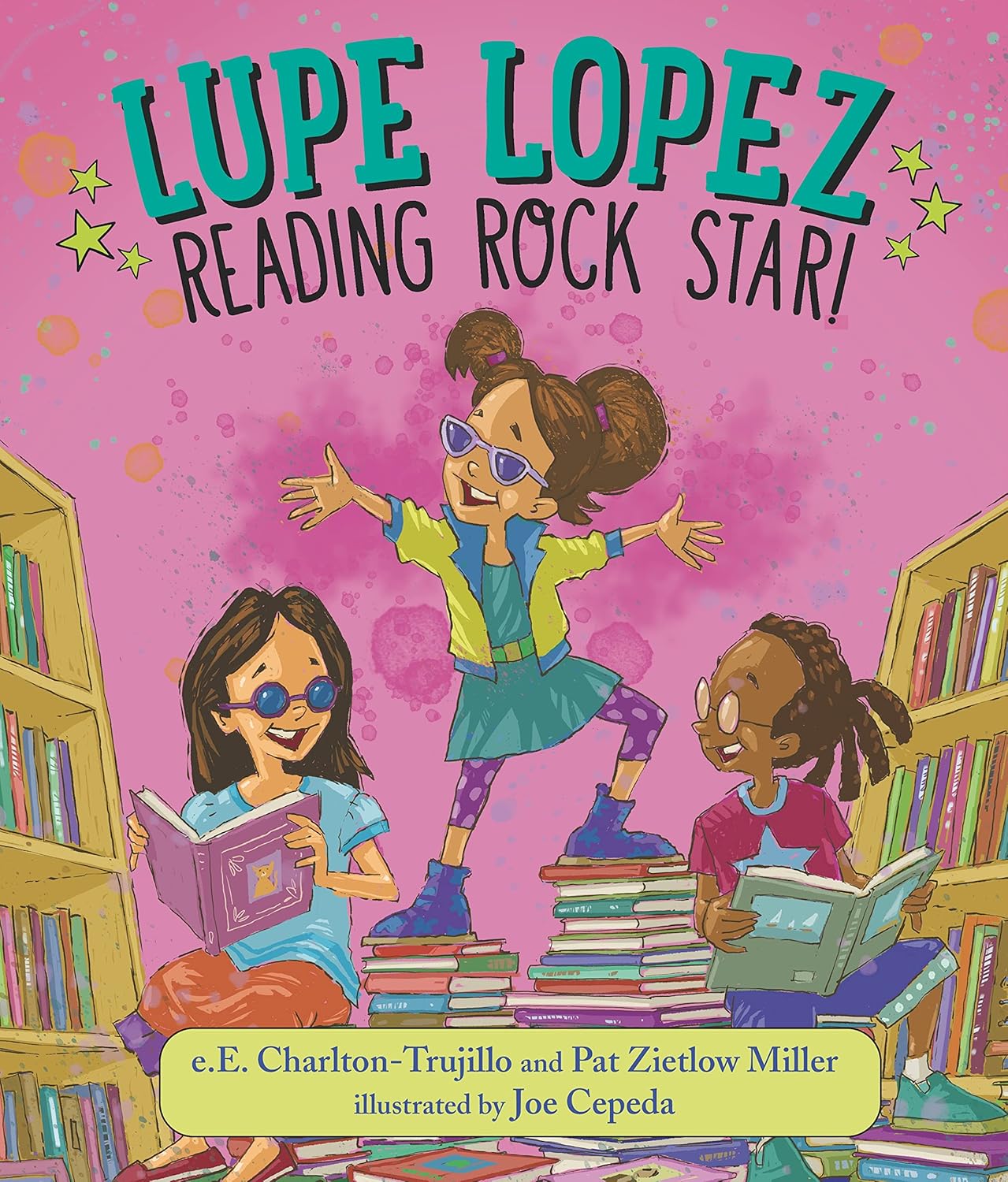
By e.E. Charlton-Trujillo, Pat Zietlow Miller
& Joe Cepeda (Candlewick Press, 2023).
A feisty first-grader, Lupe Lopez, struggles
with reading but discovers that her musical talents can help her become a “Reading
Rock Star.” This is the sequel to
Lupe Lopez: Rock Star Rules!
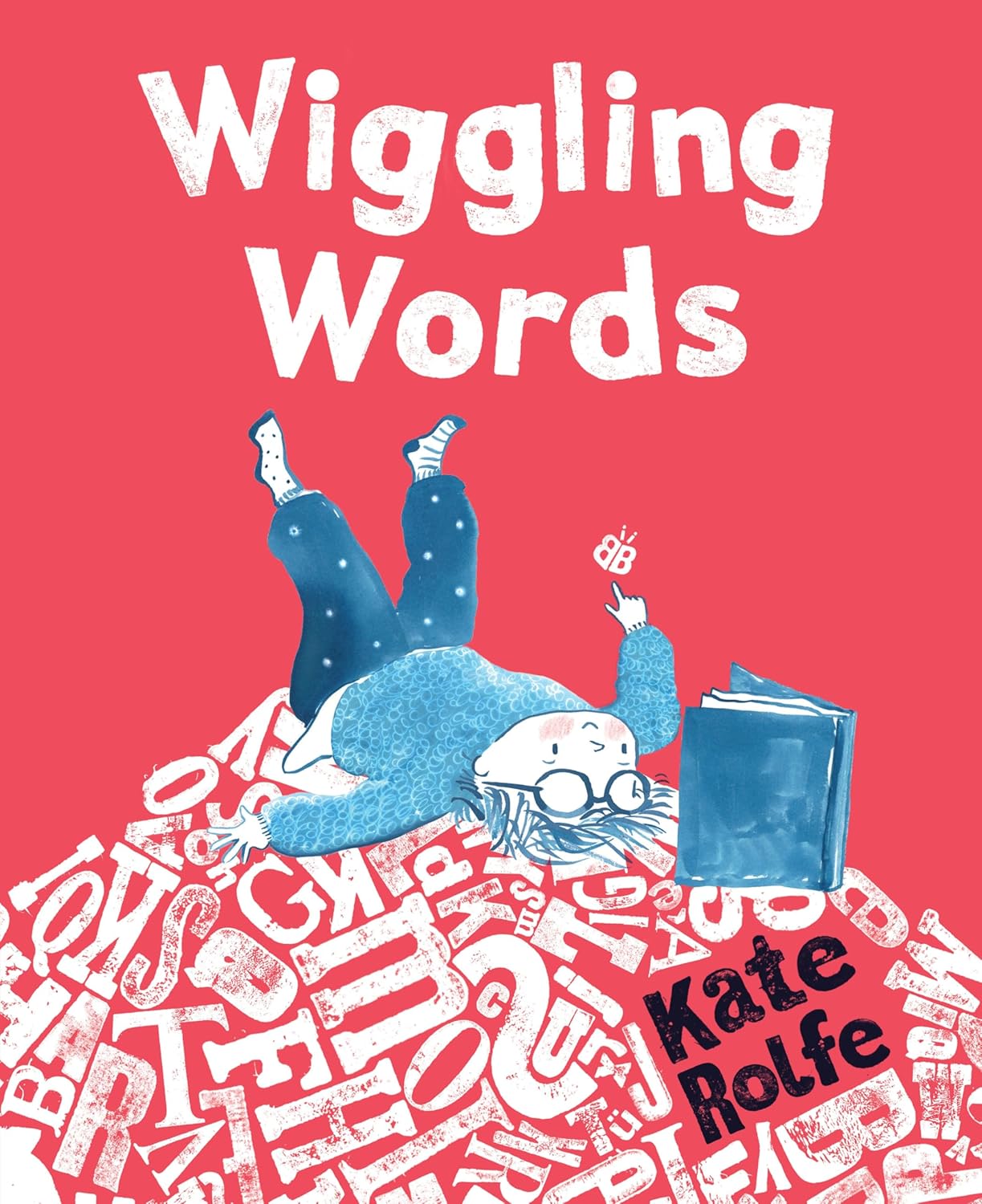
By Kate Rolfe (Candlewick Press, 2025).
A child discovers creative ways to overcome reading challenges by transforming wiggling letters into imaginative worlds, offering hope for young readers with dyslexia.
Chapter & Middle Grade Books
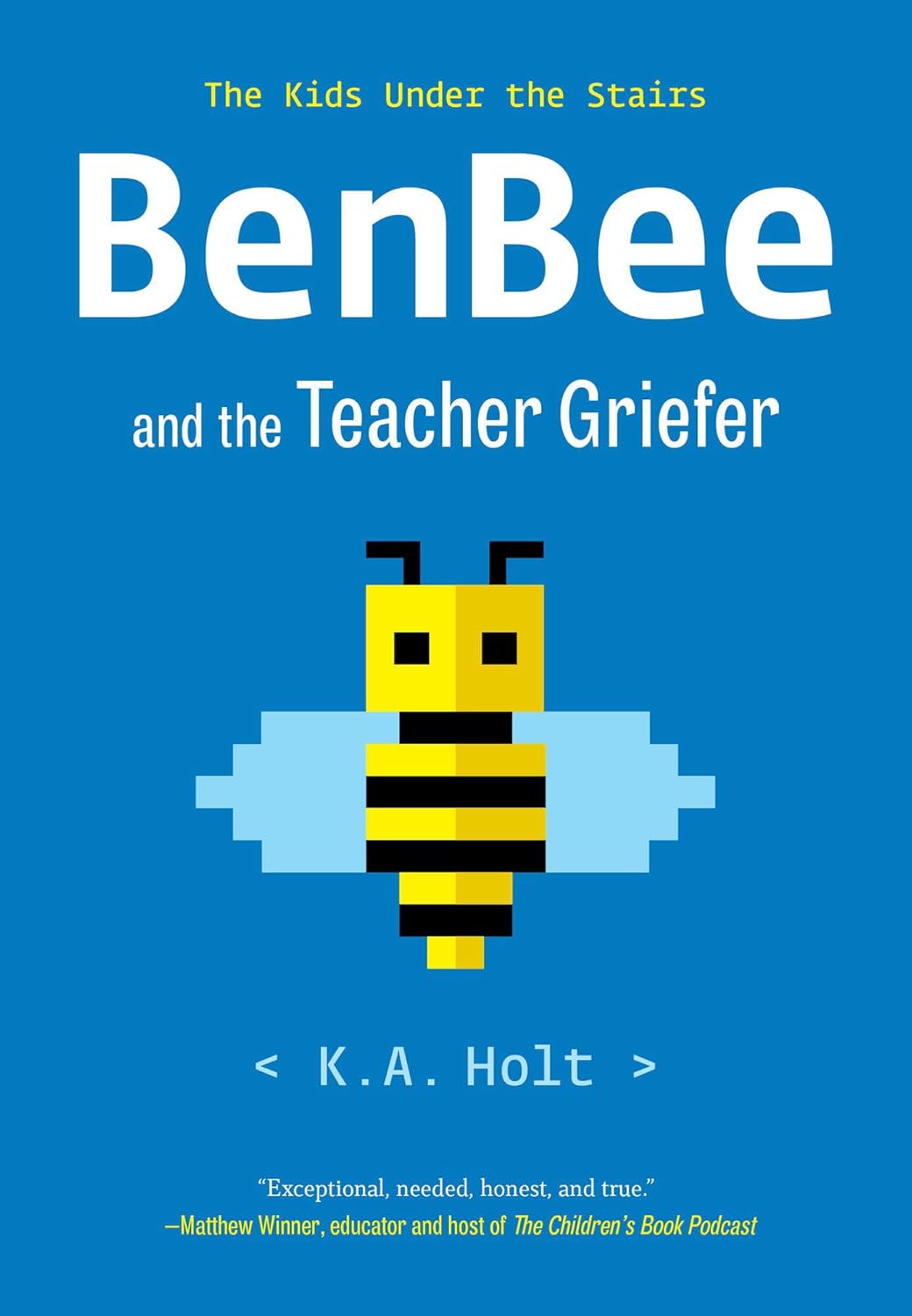
By K.A. Holt (Chronicle Books, 2020).
Four divergent thinkers bond over video games, using their passion to save their teacher’s job and embrace their unique intelligence. Written as a novel-in-verse with alternating format and point-of-view, this makes an approachable chapter book for reluctant readers. Benbee, the main character, has dyslexia. First book in The Kids Under the Stairs series.
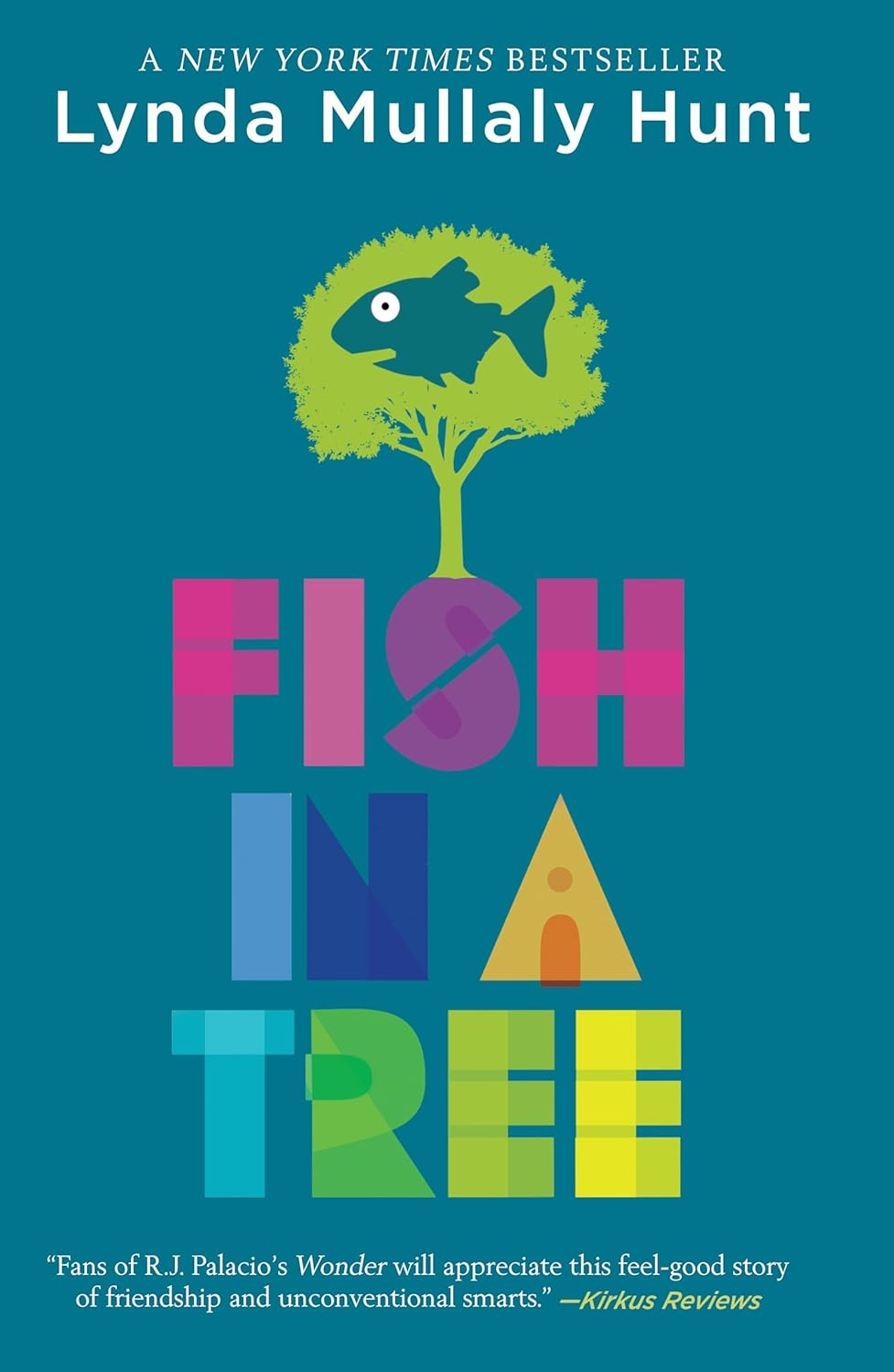
By Lynda Mullaly Hunt
(Nancy Paulsen Books, 2017).
This powerful middle grade prose novel highlights a girl with dyslexia who struggles to fit in at school until she meets a teacher who helps her see her true potential. “If you judge a fish by its ability
to climb a tree, it will live its life
believing it is stupid.”
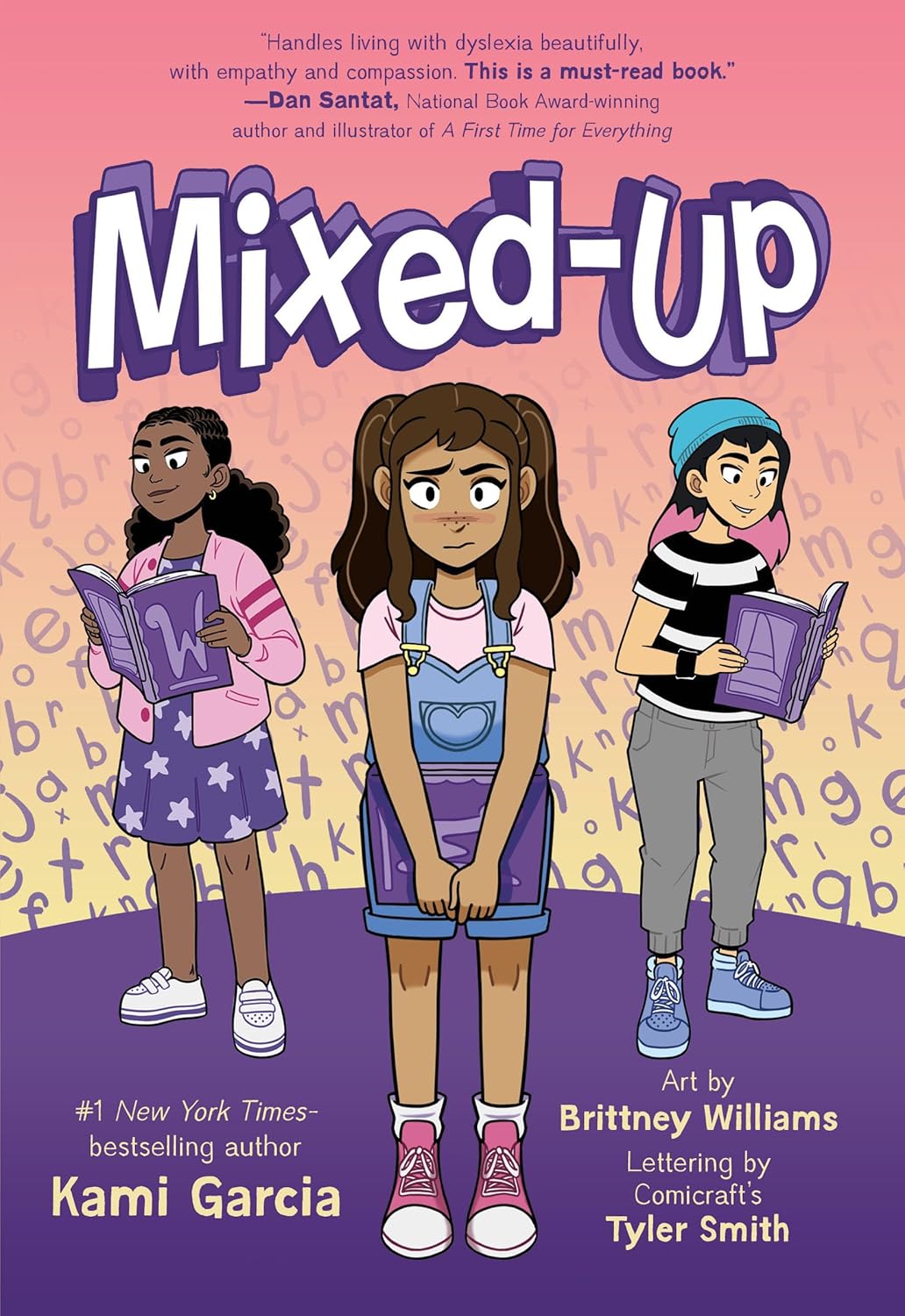
By Kami Garcia, Brittney Williams & Tyler Smith (First Second, 2025).
This is a relatable graphic novel that highlights a fifth grader who struggles with reading and keeping up with her friends in an online game. This leads to her being diagnosed with dyslexia and discovering the support she needs to succeed.
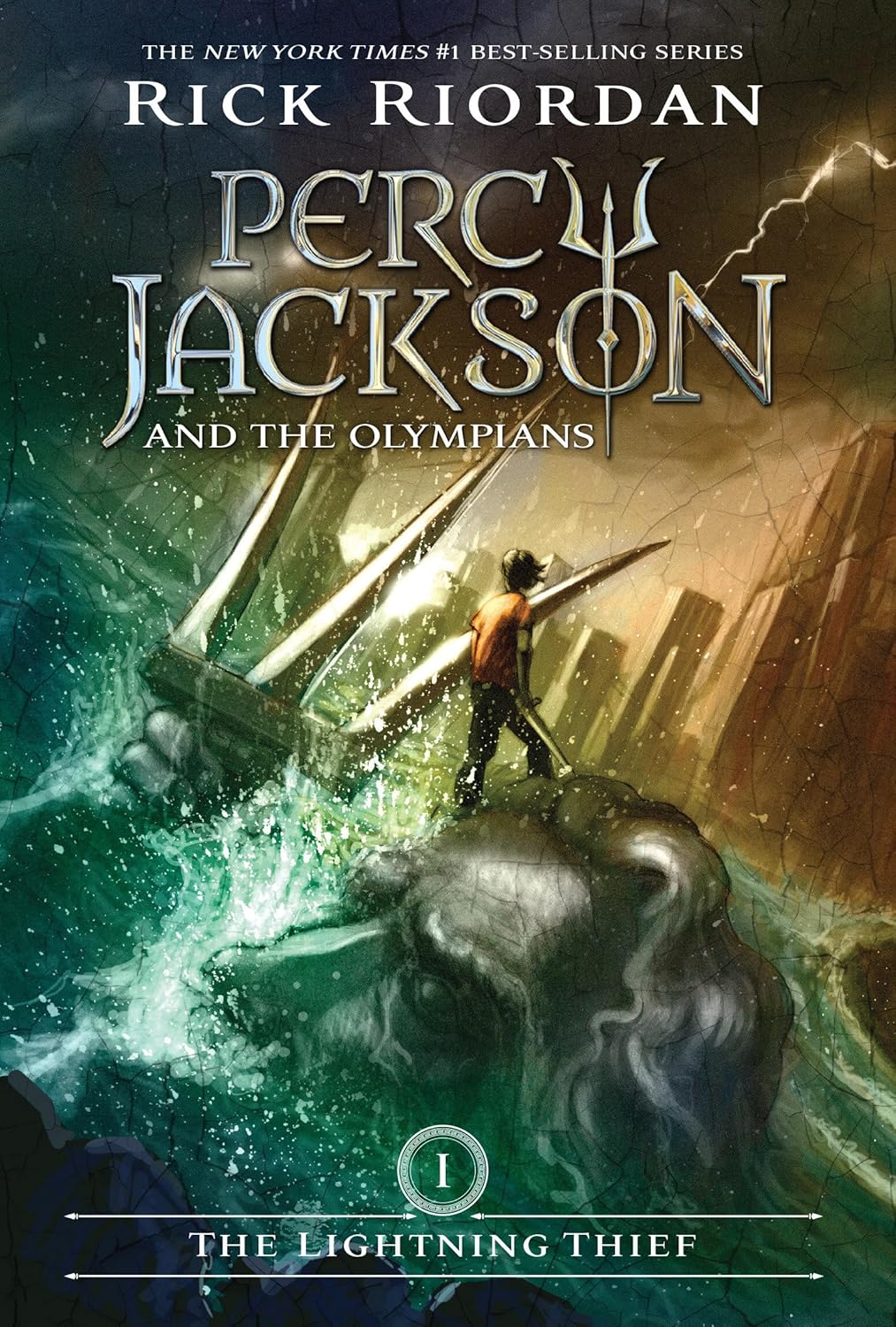
By Rick Riordan (Hyperion, 2005).
Series of middle grade prose novels where a twelve-year-old discovers he’s a demigod after battling monsters at school. When Zeus’s lightening bolt goes missing, he must embark on a quest to find it and prevent war among the gods. Percy Jackson, the main character, has dyslexia as one of his demigod traits, which allows him to read Greek, decipher monsters’ names, and help on his quest. This series was also recently released in graphic novel format.
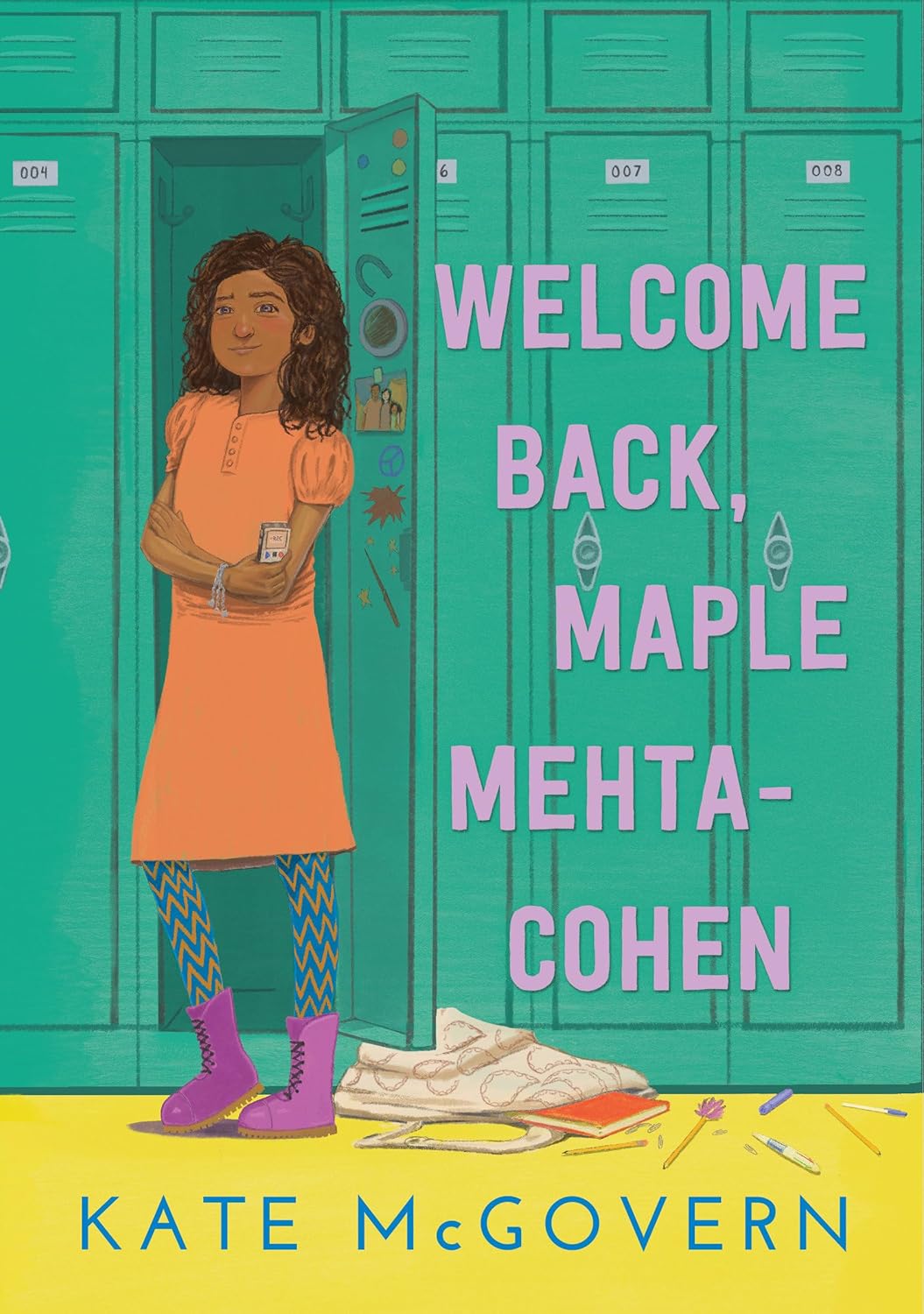
By Kate McGovern
(Candlewick Press, 2021).
This middle grade, prose novel follows a girl named Maple whose struggles with reading cause her to repeat the fifth grade adding tension between friends at school and her parents. Maple uses storytelling to cope as she learns to embrace her unique abilities. The main character and others in her reading group all have dyslexia.
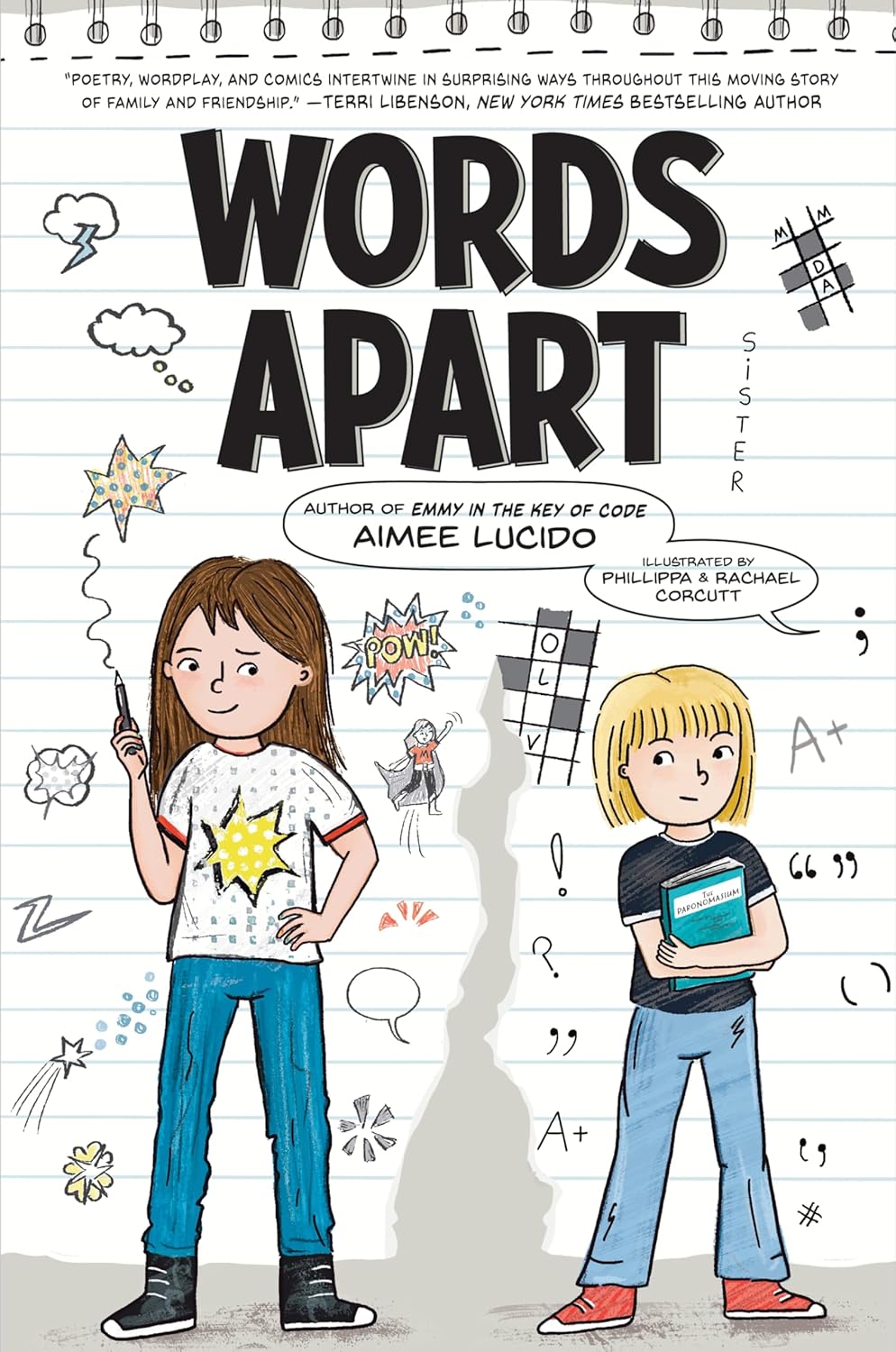
By Aimee Lucido, Phillippa & Rachael Corcutt (Versify Books, 2025).
Dynamic story of two sisters who have different ways of expressing themselves. Changes in their family and school affects their relationship and ultimately leads to the older sister being evaluated for dyslexia. Told in alternating perspectives and format (free verse poetry and graphic novel) makes this an attractive book for reluctant readers.